

Quick Answer: In 2026, a professional polyaspartic floor typically costs $5 to $12 per square foot, while a professional epoxy floor ranges from $3 to $7 per square foot. For DIY projects, material costs are significantly lower: epoxy materials run $0.50 to $1.50 per square foot, while polyaspartic materials cost $2.00 to $4.00 per square foot. The higher price for polyaspartic pays for a 24-hour return-to-service and much better UV resistance.
Epoxy vs. Polyaspartic Cost Matrix
Before diving into the details, here is a quick breakdown of what to expect when pricing out your floor coating project.
| Factor | Standard Epoxy Coating | Polyaspartic Coating |
|---|---|---|
| Professional Install (sq ft) | $3 - $7 | $5 - $12 |
| DIY Material Cost (sq ft) | $0.50 - $1.50 | $2.00 - $4.00 |
| Typical Labor Split | 60% - 75% of total | 70% - 85% of total |
| Cure Time (Return to Service) | 3 to 5 Days | 24 Hours |
| UV Stability | Yellows over time (Needs topcoat) | High (Will not yellow) |
Material vs. Labor: Where Does the Money Go?
When you hire a pro to do the flooring job, you are not just paying for the resin. In fact, for a polyaspartic floor, the labor is often much more expensive because of the extreme speed required. If the installer misses their window, the material cures in the bucket—literally throwing thousands of dollars away. This risk is baked into your quote.
What makes epoxy cheaper?
I constantly see people surprised by quotes, but surface preparation takes massive amounts of time and equipment. Epoxy is manufactured in massive quantities and has been the industry standard for decades. It is a slower-reacting resin system, which means it's easier to work with. For a standard garage, epoxy materials cost about 1/3 less than polyaspartic. However, because it takes multiple days to install (primer day, base coat day, topcoat day), the labor costs can sometimes creep closer to polyaspartic levels if the contractor has to drive back and forth three times.
Why polyaspartic floor is better than epoxy?
Polyaspartic resins are newer, much more expensive to formulate, and require specialized training. The cost of a solid polyaspartic like our UltraShield Polyaspartic is higher because it uses advanced aliphatic chemistry that won't yellow in the sun. You are paying for longevity and speed.
DIY Savings vs. Professional Risks
Can you save 70% by doing it yourself? Yes. But it depends on your gear. I get asked all the time if doing it yourself is actually worth the savings. The short answer: yes, if you are willing to rent a grinder and sweat a bit.
DIY Cost Example (400 sq. ft. Garage):
If you use a high-quality epoxy floor system, your material cost is roughly $400 - $600. Add $150 for a professional diamond grinder rental (essential for prep). Total: ~$750. Compare this to a $2,400 pro quote, and the savings are obvious.
Cost Scenarios: Garage, Basement, and Commercial
- The Residential Garage (400-500 sq ft): This is where polyaspartic shines. Most homeowners pay a premium ($2,500 - $4,500) to get their cars back inside the same day. Most people I talk to go with an epoxy base for thickness, then cap it with a polyaspartic topcoat so the sun doesn't yellow the floor over time.
- The Basement (600-800 sq ft): Since there's no UV exposure, epoxy is the absolute winner here. You can get a pro install for $1,800 - $3,000, or DIY it with a moisture-blocking primer and base coat for under $1,000.
- Commercial Kitchens/Warehouses: Time is money. A restaurant can't close for 4 days for epoxy to dry. They will happily pay $10,000+ for a 1-day polyaspartic install to avoid losing $20,000 in weekend sales.

The Best Value Solution
You don't always have to choose one or the other. Most high-end contractors use a Hybrid System to balance cost and performance:
- Base Layer: 100% Solids Epoxy (cheaper, provides a thick build, and has superior adhesion to porous concrete).
- Top Layer: Polyaspartic (more expensive, but provides the necessary UV resistance and scratch protection where the tire meets the floor).
This gives you the "look", gloss, and durability of a full polyaspartic floor while keeping your overall material costs much closer to a standard epoxy project.
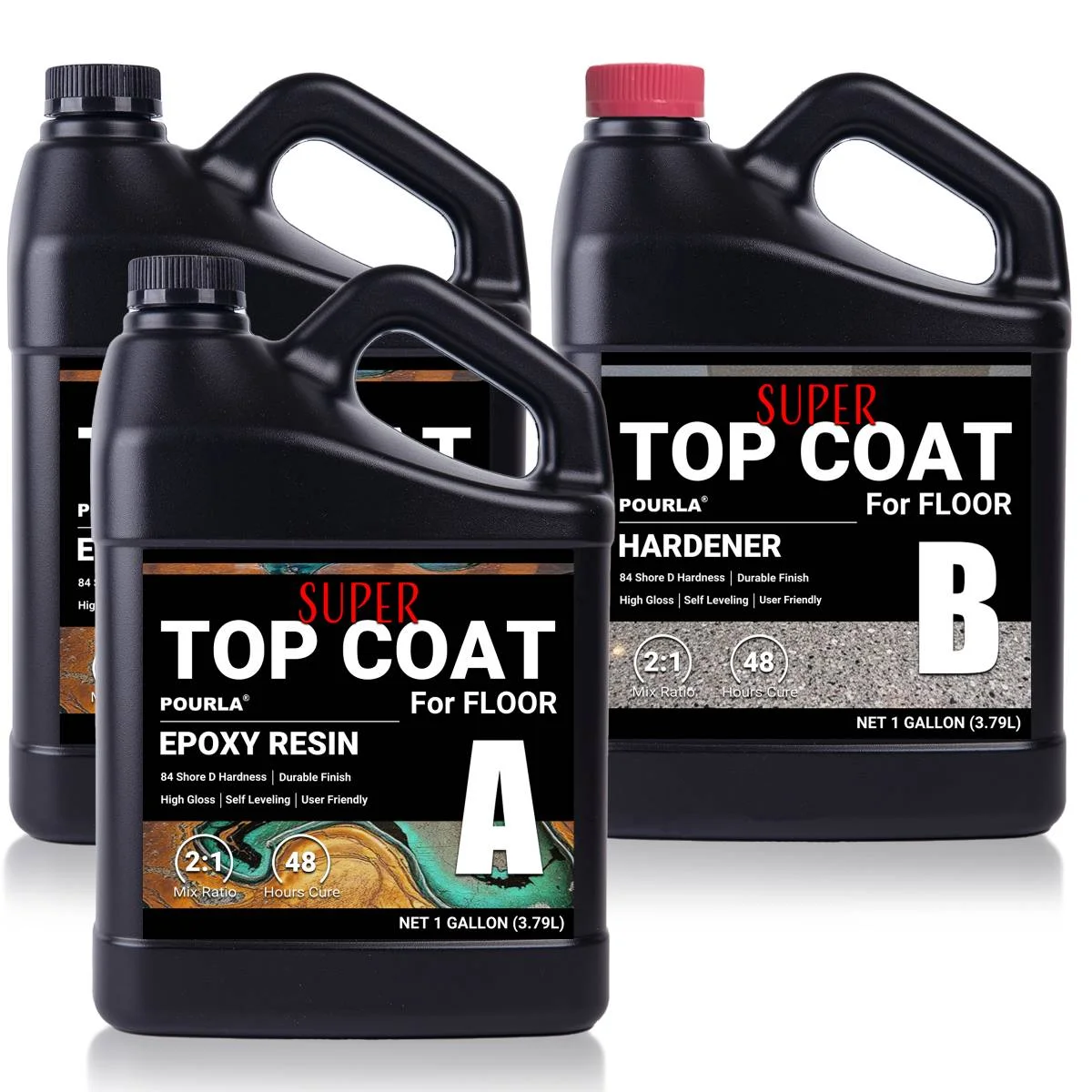
Epoxy as Base Coat
Our 100% solids epoxy provides incredible adhesion and a thick build to hide concrete imperfections. The perfect base layer.
View Epoxy Coat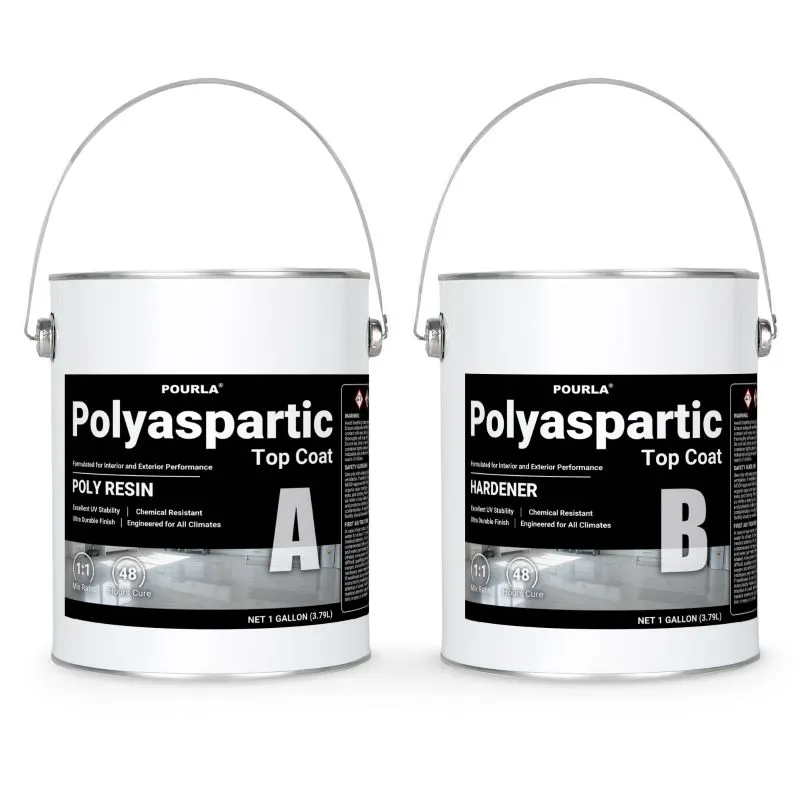
UltraShield Polyaspartic as Top Coat
Cap off your floor with crystal-clear, lightning-fast curing polyaspartic for ultimate UV, tire mark, and chemical resistance.
View PolyasparticFrequently Asked Questions
Is polyaspartic better than epoxy?
For outdoor use or sunny garages, yes. It doesn't yellow and is more scratch and chemical-resistant. For indoor, budget-focused projects like basements, epoxy is usually the better value.
Can I put polyaspartic over epoxy?
Yes! In fact, we highly recommend it. Using an epoxy base coat with an UltraShield Polyaspartic Top Coat (The Hybrid System) is the best way to get professional-grade results on a DIY budget.
How much does it cost to fix a DIY floor that peeled?
Typically 1.5x the original professional cost. The contractor has to spend double the time diamond grinding off the old, failed, and sticky coating before they can start over.
Build Your Floor System Today
Don't overpay for your garage renovation. Get contractor-grade materials shipped directly to your door.
Shop Floor Coatings